There is a straightforward way to approach beach safety on Phillip Island: put in the time to check conditions, then make for a patrolled beach and swim within the flags. From where one stands on the sand the ocean may seem tranquil enough, but rips, cold water, wind, shifting banks and the vagaries of the weather are there to present their risks.
My name is Lyra Harris and I am drawn to coastal plans that allow for a sensible exit, a dry towel and a flat white. In what follows I will cover the ins and outs of patrolled beaches on Phillip Island, from surf and rock platform safety to tides, marine wildlife, beach flags and emergency procedures. But as patrol times and places have a way of changing, consider this a planning document for 2026 and verify with Life Saving Victoria or BeachSafe on the day itself.
Safety Essentials
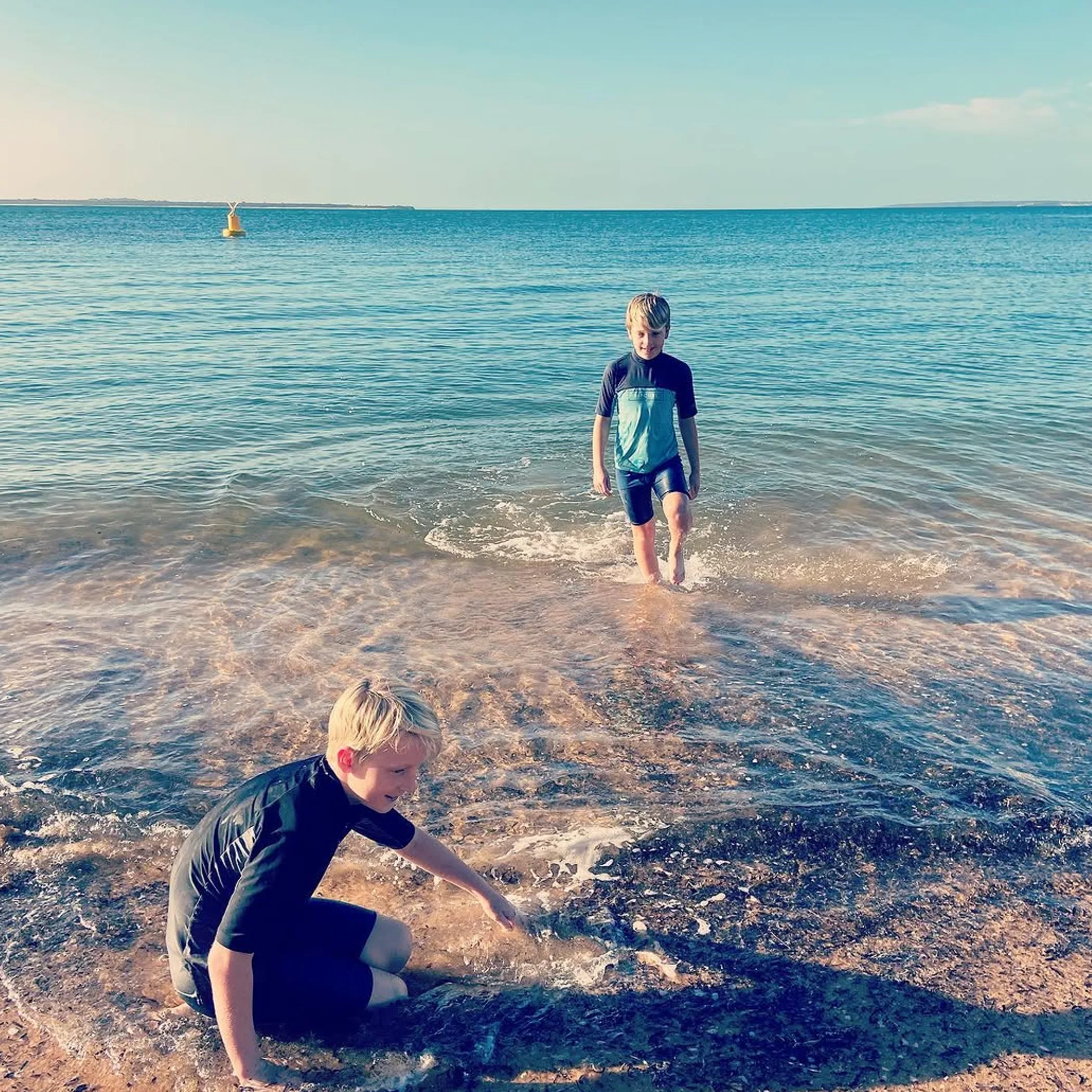
You do not need any bravado for a safe day at the beach, only a couple of unremarkable decisions made prior to unpacking the esky. Know your ability and pick a swimming area accordingly, be sure to see if there are patrols and have the forecast in hand. Afterwards, unwind at a Cowes waterfront dining spot.
Do not mistake quiet for safe. An empty piece of sand can mean no flags, no lifesavers, poor mobile signal and trouble for emergency services should they be needed. One is better off at a beach with an obvious patrol zone, sharing it with the odd seagull and some families.
Making The Right Choice
When you go to swim, look for clear access from the car park and a simple path back to the car, preferably where you can see the lifeguards or surf lifesavers. Those who are not strong swimmers, or children, would be well advised to stay away from unpatrolled surf, steep shore breaks, rock platforms and anywhere the wind or swell is up.
A beach is not necessarily fit for swimming just because it is fine for a stroll. At Cape Woolamai you will find plenty of surf and scenery, but the conditions can be hard going; the presence of surfers is no indication that the water is right for a casual paddle.
What To Pack
Hot sand and uneven ground call for appropriate footwear, so pack that along with a towel, sun protection, a wide-brimmed hat, warm layers and water to drink. If you intend to put some distance between yourself and the main beach, let someone know and have your information to hand offline since reception is not always reliable.
An emergency in Victoria calls for 000 for police, fire, ambulance or marine rescue. Be specific with the name of the beach, landmarks and which way you were heading. “Somewhere near Phillip Island” might describe the holiday spirit but is of no use in an emergency.
Where Are The Patrols?
Organised lifesaving and seasonal operations are what you will find at Phillip Island’s patrolled beaches. Do not take it for granted that a beach is being patrolled just because it was on a past occasion; local conditions, staffing and the season will dictate the arrangements. A word of advice: when you get to the red and yellow flags and they are not out, put the question to a surf lifesaver about the state of things instead of regarding it as an open invitation to swim elsewhere. Confirm with BeachSafe before you set out.
Popular Patrol Locations
Some of the more popular spots include Smiths Beach for surfing and swimming, or Cowes for a town-side shelter in the right conditions. Ventnor is another regular on people’s lists. Then there is Cape Woolamai which is quite exposed and warrants care with any swell or current. As for Red Rocks and Summerlands, they are good for a walk or to see some wildlife but should not be regarded as a swimming beach without checking the particulars for the day.
Patrols Will Not Insure You
Surf lifesavers are there to mitigate risk, not eliminate it. They may put you out of the water or put up a flag to close an area. Comply with them at once, even if the water has calmed in the last five minutes. Anyone worth their salt knows that red flags are not to be trifled with. People are apt to be lulled into a false sense of security by an ocean that is green in colour and has a smooth surface. Yet the hue and clarity of the water are no sure guide as to whether or not there are dangerous currents about.
Best Beaches For Families
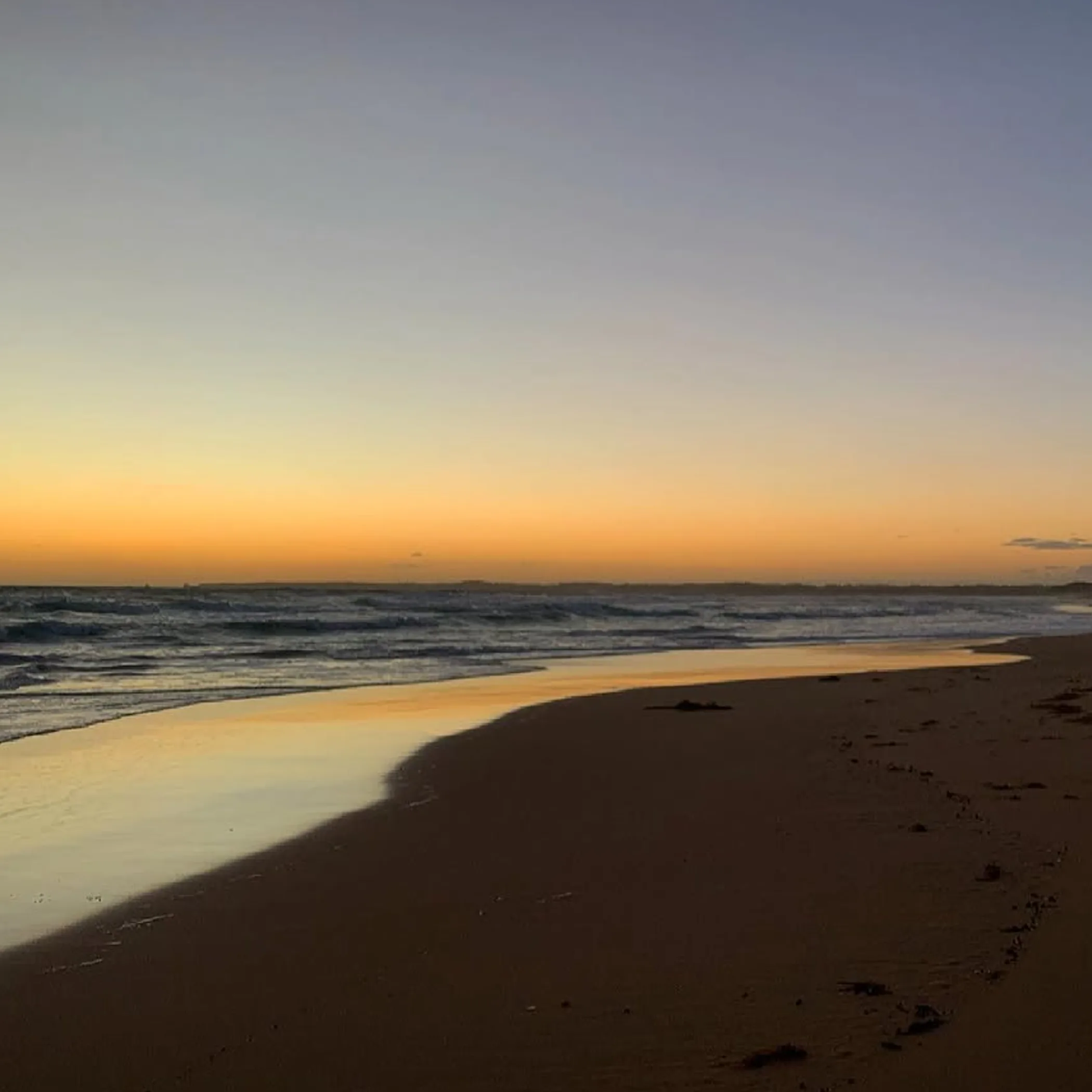
A nice view is not enough for most families; they want conditions where a short swim does not become a rescue, as well as facilities at hand and easy access.
When the going is moderate and patrols are on, Cowes and some parts of Smiths Beach will serve a family well. Then there is Ventnor Beach for a more leisurely time on the coast, so long as one has checked the state of the beach and children are kept within arm’s length in the water.
Cowes And Sheltered Water
One might ask if Cowes Beach is safe for a swim. In calm weather it can be, assuming the area is open and local safety advice is followed. But “sheltered” is not synonymous with risk free. There are tides to consider, boat traffic, the possibility of slippery ground and shifting depths.
Make of the town what you will: have a plan to get from the sand back to the toilets or a place for a drink on the Cowes waterfront. And while children may want to putter along the shore looking for something quieter, it is better to have them in the marked off safe zone.
Smiths Beach Planning
Be it swimmers or surfers, Smiths Beach has its appeal but the day’s conditions are paramount. Those who are new to it should confine themselves to the patrolled area and not emulate the confident surfer who knows how to interpret a rip or a channel.
In the busy times factor in some time for the walk from where you have parked. A sensible plan for the family allows for putting on sunscreen, a look at the flags and seeing to the first swim, then making an exit before the little ones are cold and unreasonable.
Cape Woolamai For Confident Visitors
Do not make of Cape Woolamai an automatic spot for a swim; it is more of a coastal and surf proposition. The exposed shoreline, rock platforms and strong swell are not for the inexperienced.
Only go for a surf or a walk if you are up to the terrain and have read the forecast. Put on some sturdy shoes, do not turn your back on the sea and steer clear of cliff edges. An uneven part of the shoreline can see waves come in further than you would think.
How To Read Rips Safely
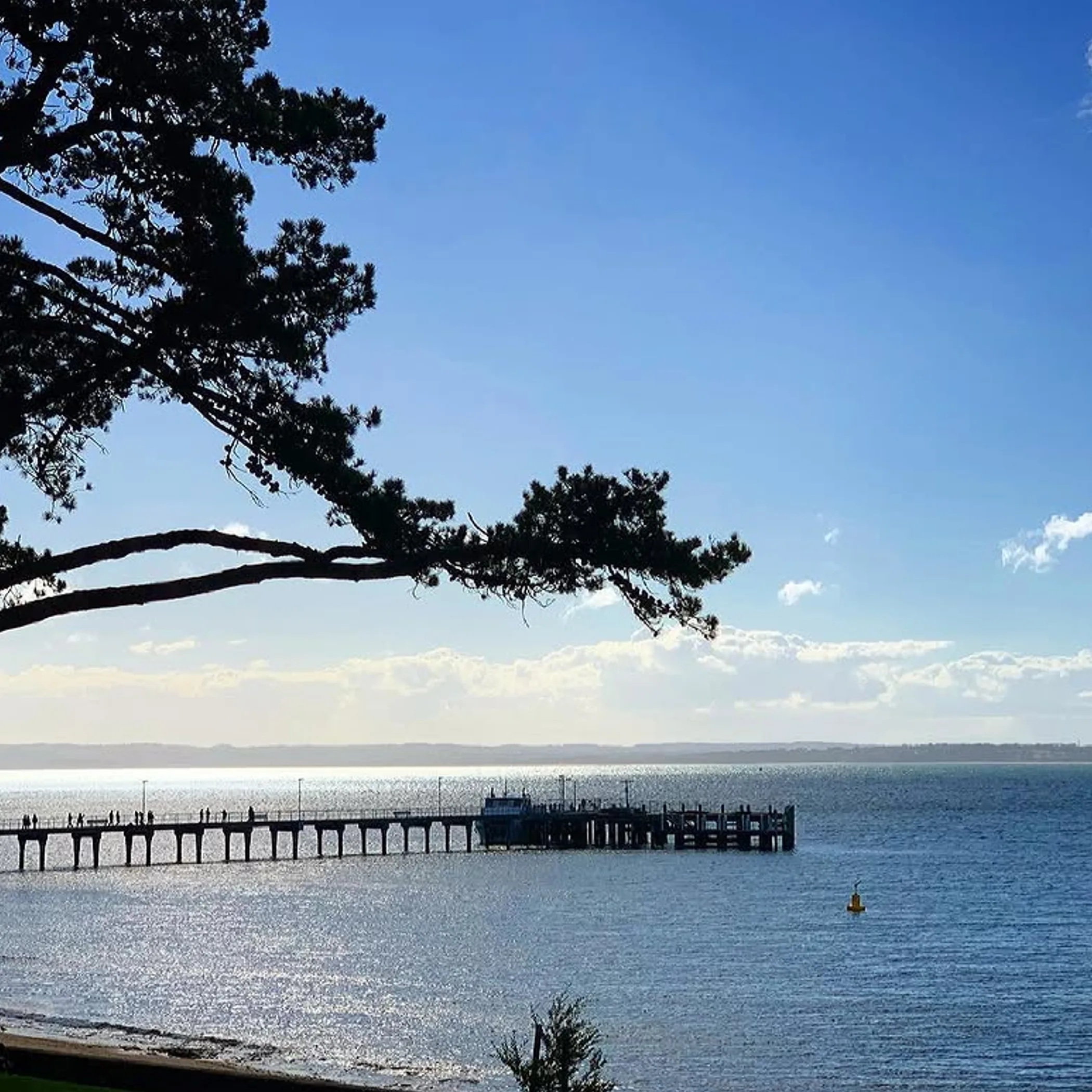
Phillip Island swimming safety is predicated on staying between the flags instead of picking out some random bit of calm water, in no small part because of rips. These are forceful channels that run from the beach and will take a swimmer past the breaking waves.
You will see them in the form of a gap in the waves or foam receding from the shore, or in water that is darker and deeper than the rest. Useful indicators, but not infallible. When in any doubt, put in a word with a surf lifesaver and stay out.
What To Do In A Rip
Conserve your energy and do not attempt to put up a fight with the current to get back to the beach. Float and put an arm up to be seen. If you have the confidence and the conditions are right, work across the current to the breaking waves and angle back to shore.
Weak swimmers and children should just float and signal. Should you come upon another in a rip, call a surf lifesaver at once. Unless you have the training and equipment to do otherwise, do not go in after them; all too often a rescue turns into two emergencies.
Flags Lifeguards And Conditions
The red and yellow flags on Phillip Island tell you where the surf lifesavers are supervising and deem it the safest option. Be aware that the beach can be closed or the flags relocated as conditions dictate.
There may be signs from the lifeguards or a public announcement. Heed them as what they are, safety information, and not something to be tuned out in favour of your holiday music.
Beach Flag Checklist
- Between the red and yellow flags is where to be when they are up.
- Do not venture outside the flagged off area for the sake of quiet.
- If patrol staff say to leave the water, do so without delay.
- Have someone you trust ask about tides or rips if the water is not easily read.
- Even in the shallows, keep hold of the children.
Weather And Water Changes
On Phillip Island the state of the beach is subject to the vagaries of wind, swell, tide, temperature and any rain. What is a mild morning can well be cold and windy come the afternoon. Swimmers may find themselves spent by the water’s cold sooner than they would like, especially if they have put in a long walk or failed to eat and drink adequately.
There is no mistaking the difference between what one might expect and the reality: easy surf is not assured on a sunny day. One should look at the forecast before setting out and form an opinion once at the beach. Should the water be rough, there are no flags or your party is in any doubt, then forgo the swim and make a walk of it; you can put off the rest until another time.
Rocks Tides And Wildlife
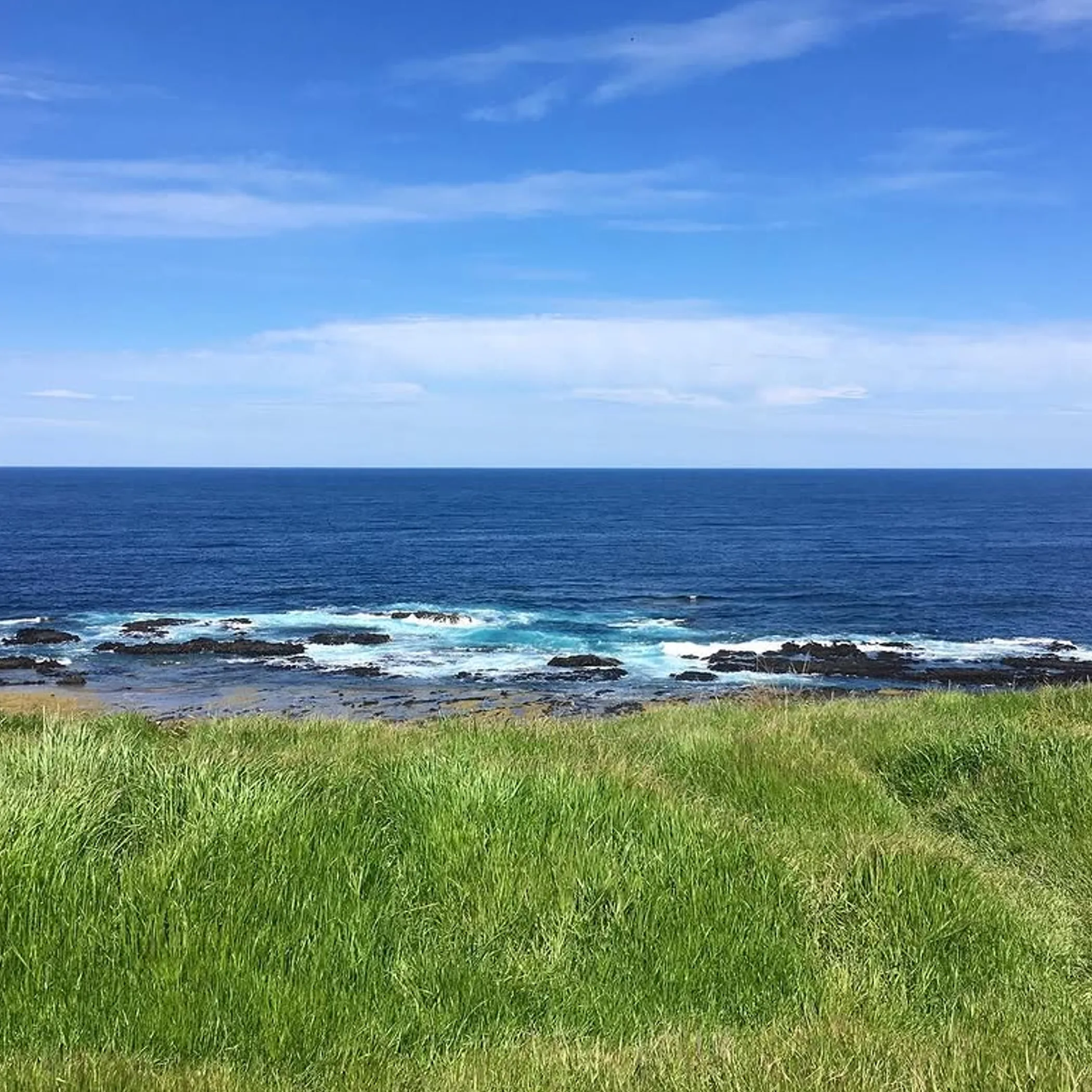
Do not treat rock platforms as though they were a pool. They are apt to be slippery and vulnerable to an unexpected wave, and hard for emergency services to get to. Steer clear of the edge and do not stand under a ledge that has been washed by a wave. Wet rocks are best left unclimbed.
Tides will dictate the width of the beach and how you get back to safety. An afternoon route may not be as open as it was at midday so see if it is still viable at high tide before you set off along the coast.
Respect Marine Wildlife
Seals, penguins and their kind are to be in the water, not in your hands. Observe the signs, leave them their access routes and do not close in on an animal or try to feed or chase it for a photo. Mind your step in the dunes or on rocky shores and around nesting sites. You are better to ring the local authority or an emergency service if you see an animal in distress than to put yourself to a rescue.
Sun Heat And Emergencies
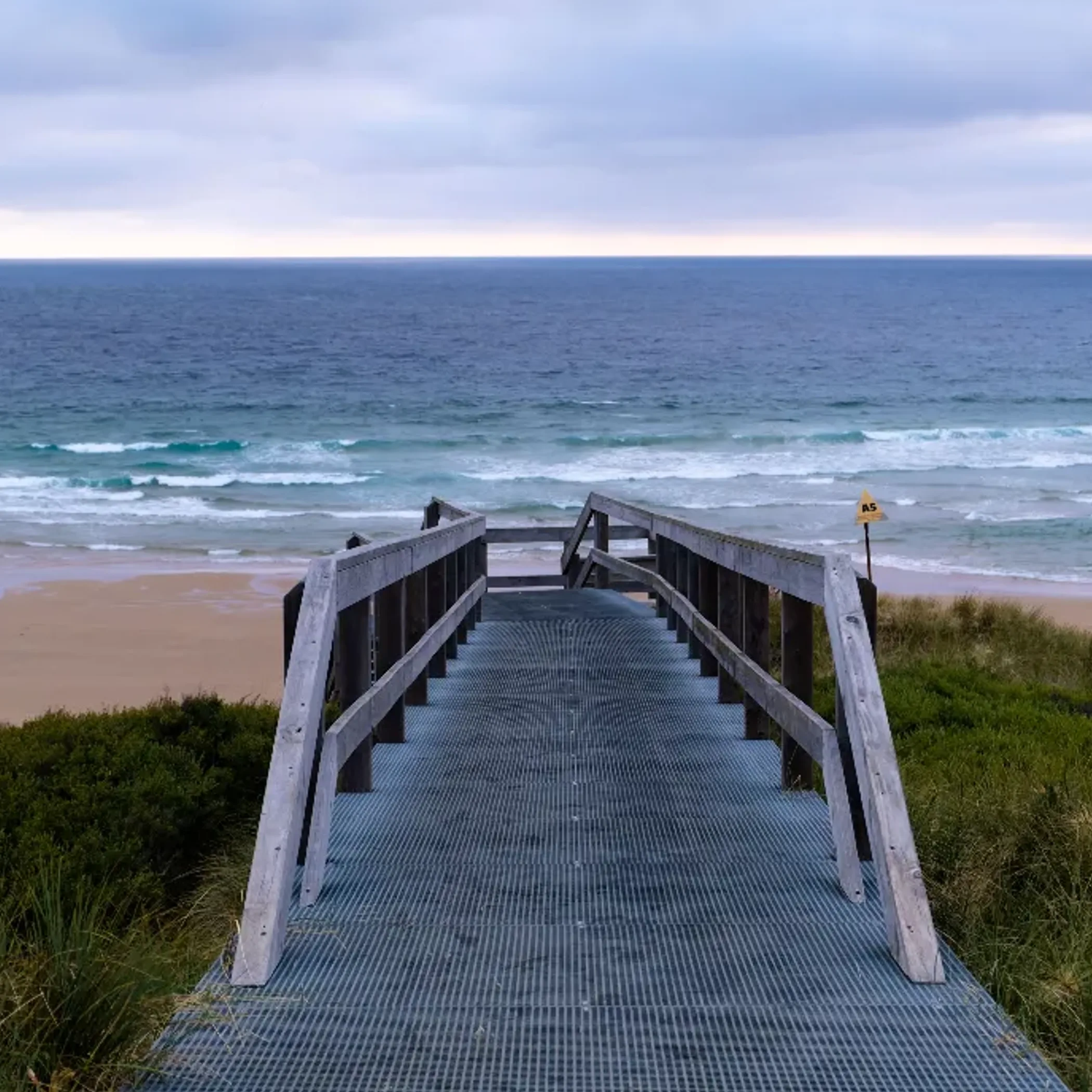
Even when a cool wind is up, sun protection is important. Put on some broad-spectrum sunscreen and don protective clothing before you go, use the shade in the height of the day and reapply after you have been in the water.
The onset of heat illness can be insidious. Be on the lookout for such indicators as a headache, dizziness, nausea, confusion or an odd fatigue. In the event of serious or worsening symptoms, get medical help. Otherwise have the person moved to the shade and cooled down slowly, giving water if he is alert.
A One-Day Safety Plan
Make the most of a single day on the island with a flexible plan and an early check on conditions. Head for a patrolled beach at Cowes or similar and confine any swimming to the area between the flags. If the surf turns, an afternoon is better spent on a walk or to see some wildlife.
Be realistic about the time needed to drive from place to place, park, have a meal and deal with the weather. It is all too easy to be in a hurry on a tight schedule when every stop means hunting for a car park or coaxing someone from the beach.
Check Conditions Before Leaving
For up to date information on patrols and safety, BeachSafe is a good place to begin. Life Saving Victoria is also worth consulting for local lifesaving matters. Do so just prior to departure and on arrival. For official public advice and any wider warnings, refer to Victoria’s official emergency information. In case of a life-threatening situation or other immediate danger, dial 000.
Quick Planning Table
| Location | Best Use | What to be wary of | How to go about it |
|---|---|---|---|
| Cowes | Town swimming and family plans, if the conditions are right | Sheltered does not mean without risk | See what the flags and tides say, check for facilities and patrol |
| Smiths Beach | Time on the beach, some surfing and swimming in the right sort of conditions | Rips, a bit of swell and the like | Heed the surf lifesavers and make use of the patrolled zone |
| Cape Woolamai | For the coastal walker or an experienced surfer | You will find exposed rock platforms, currents and rough surf | Put on something with good footing, do not take risks on your own and have the forecast at hand |
| Ventnor Beach | To walk or swim provided the advice is there for it | Water and weather can be changeable | Make sure patrols are in place and have the children close by |
| Summerlands Beach | Walking, wildlife and viewing | It is not to be taken as a supervised spot for swimming | Look at the signs and any restrictions in force |
| Red Rocks Beach | Where you can, for a walk or to look out over the coast | The shoreline is rocky and not much for swimming | Mind the edge of the waves and the time of the tide |
Frequently Asked Questions
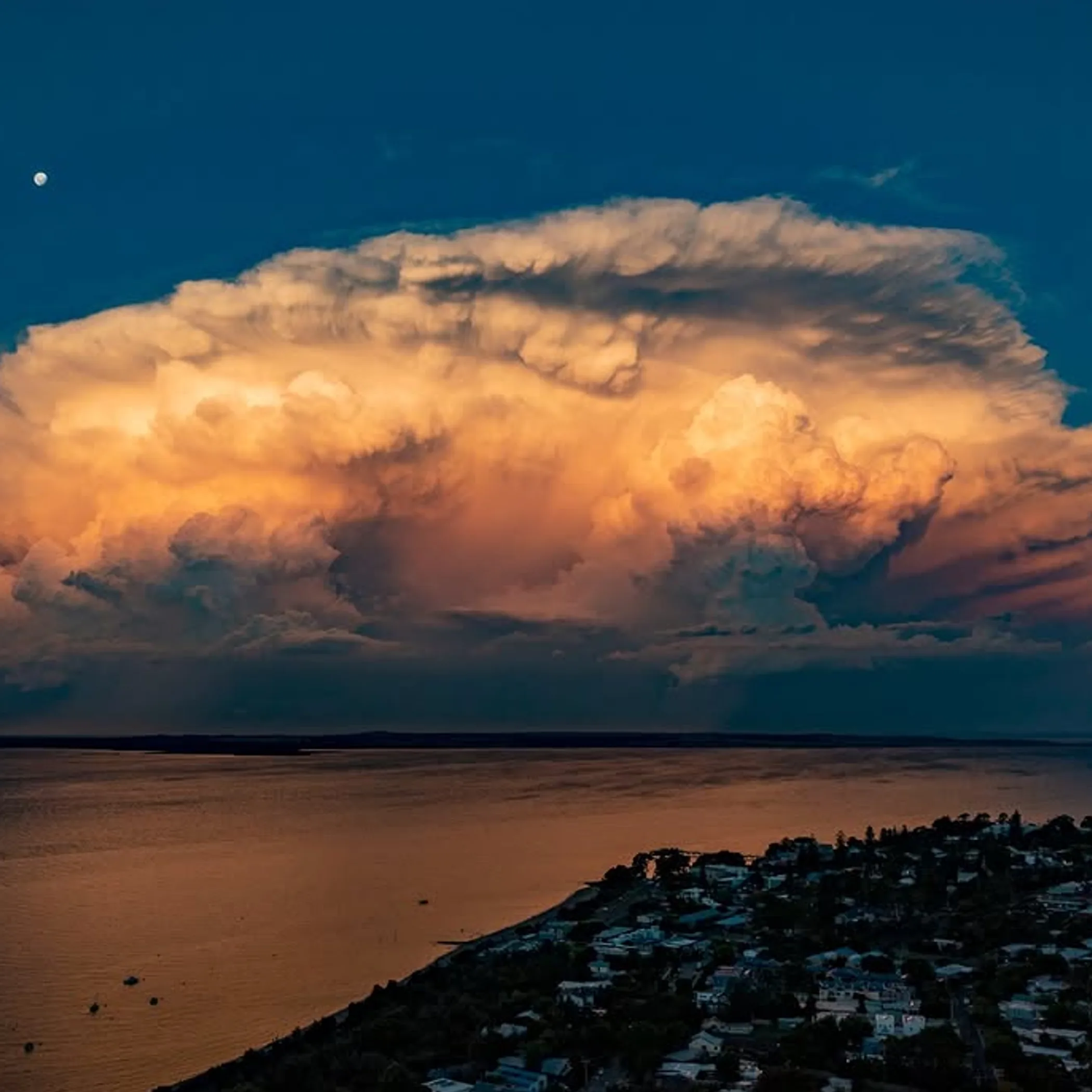
A few of the things visitors will want to know before they put together their plans for a swim. In short, one has to be conditional about it; local conditions and what the patrols say will outweigh any reputation a beach might have.
Which Beaches Are Patrolled?
It depends on the season, the day and the conditions. Go to BeachSafe or Life Saving Victoria to see which Phillip Island beaches are being patrolled, then look for the red and yellow flags on arrival.
What Is The Safest Swimming Beach?
You will not find a beach that is safest under all circumstances. A patrolled one with moderate surf and easy access is usually preferable. Cowes or a good part of Smiths Beach are fine when the current advice allows.
Is Cowes Beach Safe?
When the area is open and the waters are calm and backed up by the safety advice, Cowes can be swum. But remain in the marked off area, put a close eye on the children and take stock of the conditions first.
Are There Rips At Phillip Island?
There can be, along with other treacherous currents, especially on the more exposed beaches and in the vicinity of sandbanks or channels. Do not be fooled by how the water looks; get some direction from the surf lifesavers and swim between the flags.
Caught In A Rip?
Put an arm up and call for help, float and do not try to fight the current head on. If you are so inclined and it is safe, a confident swimmer can work sideways to the breaking waves and come back to shore at an angle.
When Are Beaches Patrolled?
Do not put stock in any universal timetable as dates and times are subject to change. Before you set out, particularly in the off peak, verify with BeachSafe and Life Saving Victoria.
Which Beaches Suit Families?
With favourable conditions and patrols, a family may be well served at Cowes, Ventnor or Smiths Beach. One should look for a patrolled site with the necessary facilities and flags.
Where Can I Check Conditions?
Before you leave, consult BeachSafe and Life Saving Victoria. Once at the beach talk to the surf lifesavers and read the signs; the tides and surf can alter in the course of the day.
Make Safety Part Of The Day
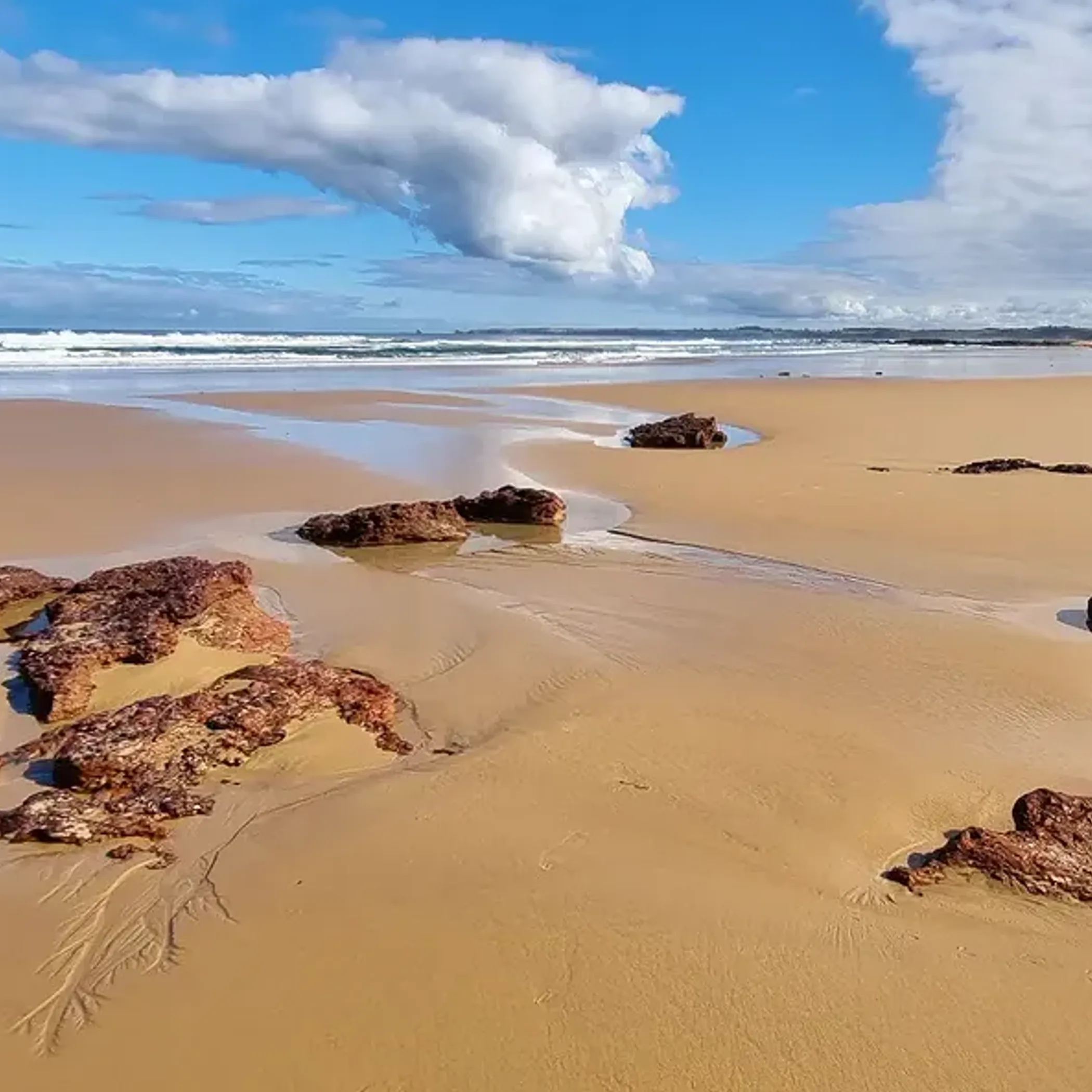
One does not need to prove anything to have a good day on a Phillip Island beach. Rather it is where everyone stays within their means, has enough left over for dinner and the mozzies do not get the better of them.
Plan accordingly: check the conditions, pick a patrolled area and give due weight to any warnings. It is a little effort that spares you from the kind of avoidable drama and lets you get on with enjoying the island.
