There is a world of difference between having put in the training hours and being at ease with an actual client; ongoing support from a cosmetic tattoo course will be what makes it. Then again, some providers are content to give you your certificate and a polite farewell, whereas others put forward case reviews, refresher education and mentoring.
The truth is one has to look at the provider to see what kind of support is forthcoming. Any student in Australia looking to sign up for a cosmetic tattoo course would do well to find out precisely what the post-graduation process entails, the duration of any support and if there is a fee for feedback. It is also prudent to know who to call in the event of a colour problem or an uneven result from a difficult skin type.
What to Expect Once You Have Graduated
A good course will not let you go after the last practical assessment. Expect things like online assistance, troubleshooting and portfolio comments as well as guidance for those initial client sessions. Do not mistake this for unlimited one-to-one time with a mentor though. A provider may put you in a private group for students, run monthly question times or have email feedback and advanced training at a discount. The fine print is worth reading; do not be swayed by talk of “lifetime access”.
Support Is A Matter Of The Provider
You will find some educators have factored in the cost of ongoing mentoring to the course fee, others make you pay for a supervised practice or review session. There is nothing wrong with either but the arrangement should be clear before a deposit is paid. Inquire as to whether support is for a set time of three or six months or for as long as the programme is running. And who is dealing with technical queries? A generic admin inbox is no match for the counsel of a trainer with up to date experience in cosmetic tattooing.
The Value Of Post-Course Assistance
While the theory is absorbed in training, working on your own can be another matter. You are dealing with real clients and their particular sensitivities, expectations and notions of what is natural, not to mention different skin tones and prior work. Having somewhere to put a query before it turns into a correction appointment is sensible. It is good for your reputation and your client’s confidence as much as your own development.
First Clients Put You To The Test
It is normal for the first appointments to reveal shortcomings the classroom did not. You might be versed in colour theory but put off by cool, ashy undertones. Or you may be on top of the safety and hygiene protocol yet flounder over the organisation of your workstation. You can have a neat outline and still not hold your pace. Some think a model went well so every session will be the same, which is where they are mistaken. Cosmetic tattooing is about technique and observation. A trainer who is supportive will put a technical issue in its proper perspective.
Education Ongoing
The form of support varies and for good reason. A community group is fine for a quick answer but a practical session under supervision is better for matters of machine control or mapping. Vague exhortations to “keep practising” are of limited use when you need to decide on your pressure or needle configuration.
Online and Community
For those away from a major city or wanting to go over a lesson, there are recorded demos, written material and live Q and As. Being part of a community can stave off the feeling of working in isolation but a busy forum is not a replacement for someone qualified to give you an opinion. See if the trainers are answering directly and if the advice conforms to local requirements and Australian standards.
Portfolio and Case Reviews
With case reviews you can put forward consultation notes and photos of healed results for comment. A portfolio review will tell you if your output is consistent from one client to the next and not just because of good lighting in a single photo. Find out the rules on photographs. Heavily edited ones are no use; you want clear images in like-for-like conditions. And ensure you have the client’s permission before posting anything identifiable to a student group.
Between Appointments: Some Practical Guidance
There is a range of practical matters that can be put in place for the interim, from record keeping and colour selection to client consultations, aftercare and any contraindication issues that arise. Students may also find their provider of assistance in putting together a workable practice schedule and in planning for first models.
One way to give your continued education some form, rather than having it remain a vague good intention, is to set a goal of two case reviews a month for a year. This will present 24 occasions to put your decisions to the test, see what patterns emerge and judge the healed results. It is more of a planning exercise than an industry dictate.
| Type of Support | Best For | Questions worth asking |
|---|---|---|
| Online group | For shared learning and quick answers | How responsive are the trainers? Who is moderating? |
| Case review | Troubleshooting on shape, colour and the like | Are you able to put in photographs and notes from the consultation? |
| Portfolio feedback | To put some consistency in your presentation | Is the feedback of a technical or business nature? |
| Refresher session | To put confidence back after a break | Does it include models or materials? Is it hands on? |
| Advanced training | To put a new technique or procedure in your repertoire | What is required by way of supervision and prerequisites? |
Mentoring as a means to build technique
An honest and regular relationship with a mentor is what makes cosmetic tattoo mentoring worthwhile, one that has bearing on the work you do. A good mentor will tell you how to put in the practice to make a change and why it is important without making a paying client the subject of it.
In my early days in beauty I was under the impression that being sure of oneself was a matter of sounding certain. It is not. You gain confidence by knowing when to put things on hold and get a second opinion, to check the facts. That is as true here as anywhere, especially with a client whose expectations are at odds with what you are proposing, or who has sensitive skin and existing pigment.
The value of specific feedback
You want feedback that will point out if the brow front is over done, the outline too heavy, the colour too warm or the consultation has left maintenance unaddressed, and offer a plan to put it right. Do not be taken in by comments that are all praise or nothing but criticism. A proper review will note where you are doing well and put forward the next technical order of business. One day you may need to map better, another time move your hand less quickly. If you make every issue a matter of pigment you will be going round in circles.
Making a record of what you learn
It is worth keeping your own file of the client history, what you have observed of the skin, the pigments and needle settings used, the outcome once healed and your own thoughts on it. Over the course of several weeks you can miss patterns that such a record will bring to light.
Of course, you should not be altering or recording technical details beyond your manufacturer’s instructions and training. Where there is any doubt over a product or procedure, put the treatment on hold and put in a call to a qualified trainer or the relevant authority. An experimental approach has no place in a client appointment.
On refresher and advanced training
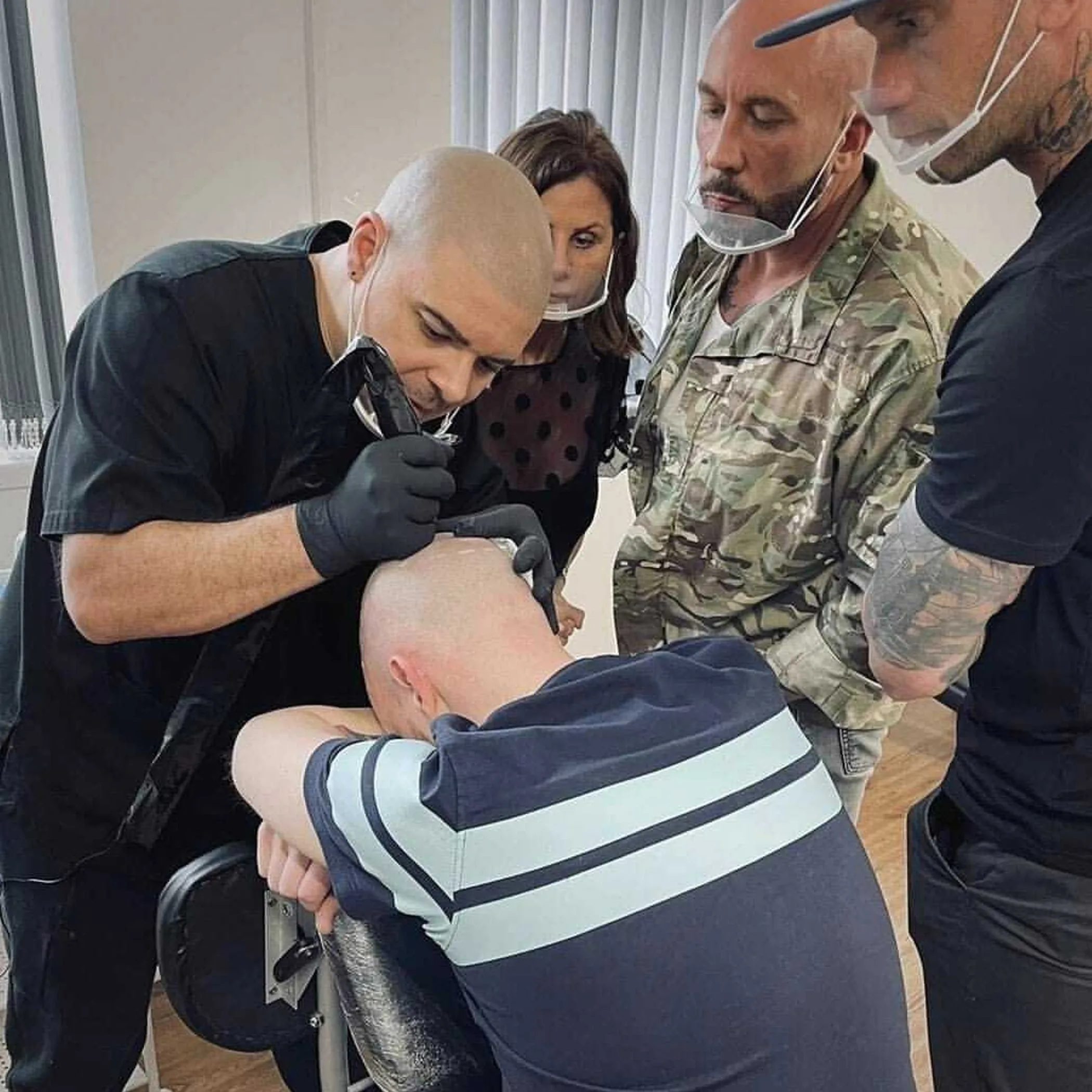
After a spell of uneven results or a hard case, or if you have been away from it for a while, refresher training is called for. Equally so if your initial course was short and you would do well to have some supervised time before you take on more clients.
Advanced work is for when you have a sound basis. To add procedures before you can be relied upon with aftercare, hygiene, mapping and the consultation is akin to getting a second frying pan when you are still burning toast in the other.
When to have a refresher
If machine handling is something you are unsure of, or you have had the same thing fed back to you by clients, or you wish to go back over colour theory, a refresher is sensible. The same applies after you have made a change to your equipment or protocols. See if the session allows for a live model and a review afterwards; a video lesson might jog your memory but it will not tell you if your posture or the way you are talking to the client is part of the problem.
Advanced education
This could be in the form of scar camouflage, lip work, corrective or more involved colour modification, and additional brow styles. What is suitable will be down to your insurance, local requirements and the scope of your practice. Practical experience is emphasized through real-world clinical training with qualified professionals to enhance post-course support.
Pick a course that is forthright about limitations and risks. Be sceptical of one that has you believe any result is predictable or that you can master advanced work in an afternoon. You are dealing with a person’s skin, not a practice sheet that is obliging enough to sit still.
Guidance for the business and the client
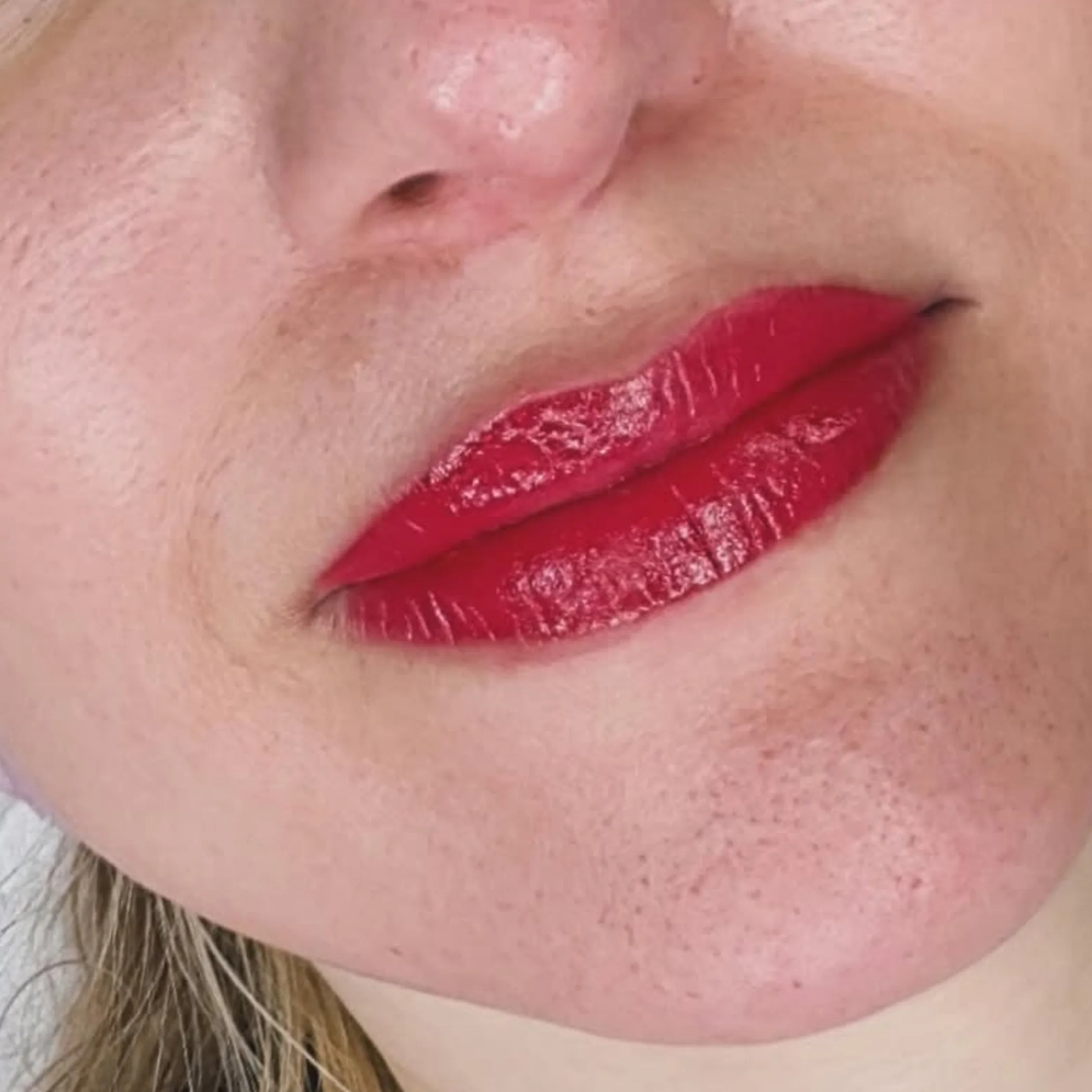
Support for a career in cosmetic tattoo should be more than technical. There is a need for new artists to be shown the ropes on everything from pricing and consent forms to photography, timing of appointments, the wording of aftercare and how to deal with a client who is not happy.
Practicality is what business guidance should be. There is no call for a day one launch campaign of any drama; what is required are sensible policies, an uncluttered treatment room, appointment times that are realistic and the space between clients to put things in order.
A Safe Client Journey
Put in place a client journey from the first enquiry to the follow-up: screening for suitability, the consultation and consent, treatment itself, aftercare and a review of healed results. Following this straightforward path will show you where support is called for and any potential for misunderstanding.
Regulations in Australia are not uniform across states, territories and local councils at present. One must verify the rules for your procedure and premises. A Victorian practitioner would do well to refer to Victoria’s public-health information on skin penetration for instance. Make of the official guidance what you will as a starting point, but also have your insurance and council requirements in order.
Costs And Access
There can be more to support than the fee for the course. Factor in model costs, consumables, maintenance of equipment, insurance and any charges for individual mentoring; if the practical is interstate then travel and accommodation too. It is not possible to put an honest national price in AUD on it with the variation among providers, so get a cost schedule in writing prior to enrolling.
Then consider access. For a venue in Melbourne, Sydney or Perth, see how the return trip goes after a full day of practical work and what the parking and transport situation is. A regional student might have to make do with some online support and in-person training from time to time. Add a motel bill and a flight at short notice to a bargain course and it is not so cheap.
Enrolment Considerations
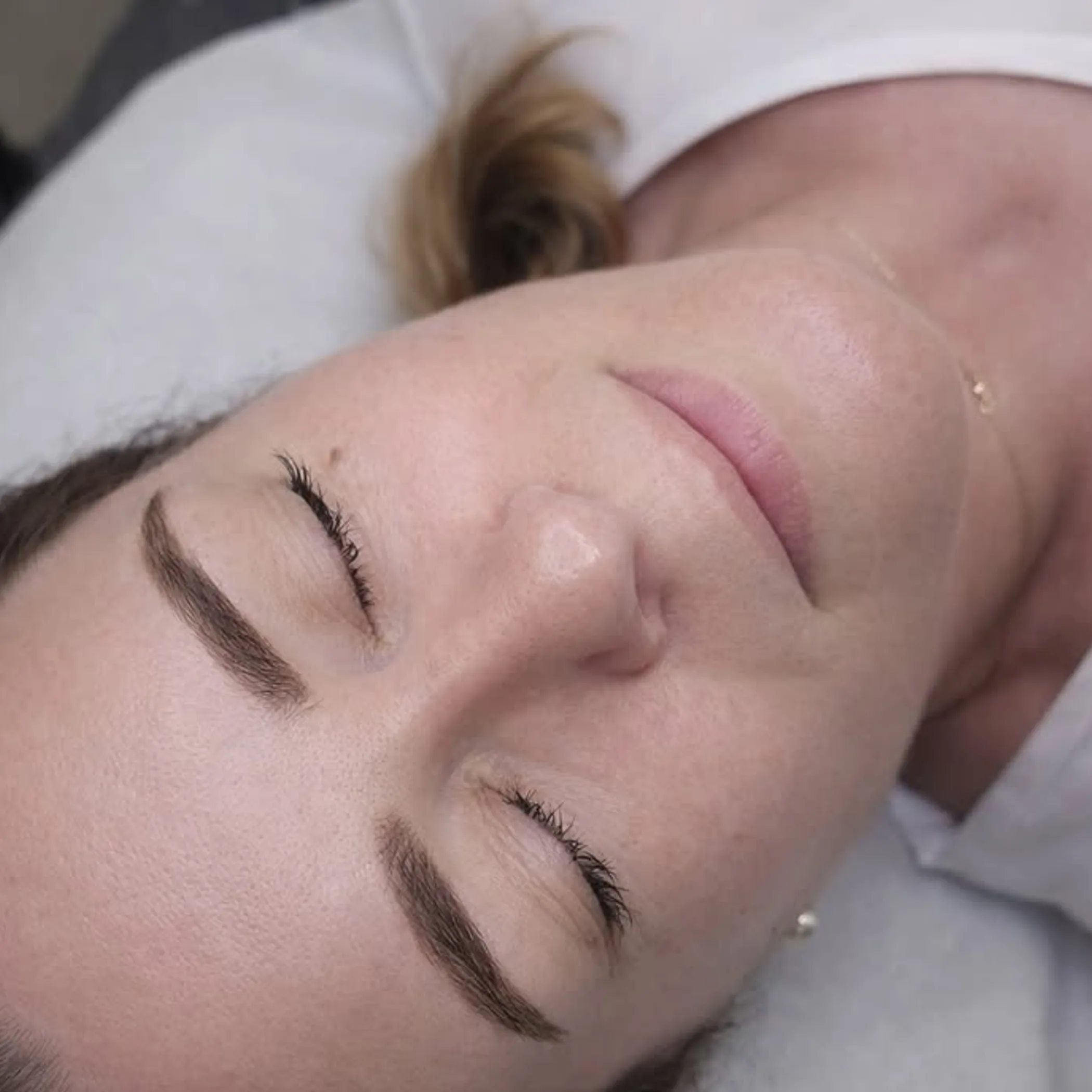
One should be assessing the level of student support before parting with payment, not once in possession of a certificate and at a loss as to who to ring. A good provider will set out in plain terms its responsibilities and what transpires post-assessment.
Have a look for transparent fees, health and safety protocols and a no-nonsense approach to developing skills. Testimonials have their place but they are no substitute for asking what support is on offer. Be sure of the post-course support, its format and length. Are you being charged separately for portfolio feedback or case reviews? Find out who is giving the technical advice and if the trainers are still in the industry. Inquire into refresher training, advanced options and the supervision of models. What is provided by way of pigments, equipment and resources? You will want to know the cancellation policy, assessment criteria and any membership fees that run on. And do not forget to verify your record-keeping, insurance and other obligations to the council.
- Be sure of the post-course support, its format and length.
- Find out whether portfolio feedback or case reviews are charged separately.
- Find out who is giving the technical advice and if the trainers are still in the industry.
- Inquire into refresher training, advanced options and the supervision of models.
- Confirm what is provided by way of pigments, equipment and resources.
- Check the cancellation policy, assessment criteria and any membership fees that run on.
- Verify your record-keeping, insurance and other obligations to the council.
Reality Check
It is easy to expect that with ongoing mentoring every appointment will be put right on the spot. The truth is support is most effective when you have accurate records and photographs to hand and have formulated some clear questions. Or you might think an advanced course will put weak foundations to rights; in fact it could be putting another technique on top of mapping or colour-selection issues that remain. If the basics are in doubt a refresher is a wiser investment.
Some FAQs
Students tend to ask these of a provider before making a choice. The answers below are to the point, but the course agreement and what is current locally should be your reference.
Is there support once a cosmetic tattoo course is done?
Some provide it in varying degrees, be it through community groups, discounted refresher sessions or simply to field trainer questions. Put to them in writing what it will cost and for how long before you enrol.
What sort of support is on hand after training?
You may find everything from colour theory and hygiene reminders to business guidance and continued education. Do not go by the title of the course, compare what is actually included as not all will have the same to offer.
Will I receive feedback on my work?
Provided you put forward the relevant case details and photos many will oblige. But check if the trainer is inclined to give a technical recommendation as opposed to general plaudits, and whether a review of the healed result is part of the deal and if client consent is needed.
Are there refresher courses for artists?
After a hiatus or for some supervised practice a refresher from certain providers can be of use. See if the content is suited to your skill level and if a model is a requirement.
Ways to carry on learning
Structured portfolio feedback, case reviews and the odd industry update will serve you better than amassing certificates like you do fridge magnets. Stay within your insurance and qualifications.
Make Your Choice
A course in cosmetic tattooing that is worth its salt will not have you believing every future appointment is going to be a doddle. It is about having a means to keep learning when confidence wanes or a result has to be looked at.
Inquire as to the cost in AUD and the duration of the support and who is behind it. Proper support for a student in Australia will see you hone your technique and take on your responsibilities in a way that is conducive to a lasting career.
